
5 Secrets Auto Mechanics Wish Every Car Owner Knew
The relationship between car owners and their mechanics is often fraught with mystery and misunderstandings. This article reveals the secrets that auto mechanics wish every car owner knew, ranging from vehicle maintenance to cost-saving tips, to improve communication and ensure your vehicle's longevity. Understanding these insights can transform your vehicle maintenance experience from a frustrating ordeal to a smooth and manageable process. It's essential to bridge the knowledge gap between car owners and mechanics so that owners can make informed decisions about their vehicles. By unpacking these mysteries, car owners can not only save money but also enhance the performance and lifespan of their vehicles. Let's dive into the essential insights that mechanics want every car owner to understand.
Prioritizing Routine Maintenance Tasks
Regular oil changes are crucial for maintaining the health and performance of your engine. Oil reduces friction and wear on moving parts, but over time, it breaks down and becomes contaminated with dirt and debris. Many drivers misunderstand the importance of timely oil changes, risking costly engine repairs. Professional auto mechanics stress that following the manufacturer's recommendations for oil change intervals can prevent severe damage and ensure smooth vehicle operation.
Neglecting oil changes can lead to reduced fuel efficiency and increased emissions. An engine with old, dirty oil may overwork itself, leading to overheating and potentially catastrophic failure. Prioritizing this simple maintenance task is a proactive way to protect your vehicle. According to Bankrate, cars typically require routine maintenance every 5,000 miles. Adhering to this regular schedule is a small investment for long-term savings.
Furthermore, using the correct type of oil is equally essential for each oil change. Selecting the right viscosity and formula, conventional, synthetic blend, or full synthetic oil, can optimize engine performance. Trusted auto mechanics often find that car owners overlook this detail, potentially resulting in less effective oil performance. Consulting your vehicle's manual or a professional for oil recommendations can maximize engine longevity, enhancing reliability and efficiency.
Monitoring Critical Fluid Levels
Maintaining proper brake fluid levels is crucial for ensuring safe braking performance. Brake fluid facilitates the transfer of force from the brake pedal to the brake pads. Over time, it can absorb moisture from the air, reducing its boiling point and potentially leading to brake failure under extreme conditions. Experienced auto mechanics stress the importance of regular brake fluid checks and replacements to maintain the system's integrity, as many car owners underestimate the critical role that brake fluid plays in safety.
Frequent inspection of brake fluid levels helps identify potential leaks or deficiencies in the system. A soft or spongy brake pedal may indicate low brake fluid levels, which require immediate attention. Regular checks and refills, as advised in the vehicle's maintenance schedule, can prevent brake system failures. Additionally, when brake fluid becomes contaminated or degrades over time, a complete brake fluid flush may be recommended for optimal performance.
Choosing the appropriate type of brake fluid is equally important in maintaining braking efficiency. Different vehicles require specific brake fluid formulations, and using the wrong type can harm the brake system. Furthermore, professionals advise against reusing or mixing different types of brake fluids, as this could lead to chemical reactions that degrade performance. Understanding these nuances and working with trusted auto mechanics ensures your braking system remains reliable and safe.
Managing Essential Engine Fluids
Coolant, often referred to as antifreeze, plays a critical role in regulating engine temperature and preventing overheating. The circulating fluid absorbs heat from the engine and dissipates it through the radiator, ensuring the engine remains at an optimal operating temperature. Without sufficient or proper coolant, an engine can quickly overheat, leading to severe damage and potential failure. Industry specialists emphasize the importance of routine coolant level checks and replacements to maintain engine health.
The type and mixture ratio of coolant are also essential to consider for effective engine cooling. Engines require a specific blend of coolant and water, typically a 50/50 mix, to ensure proper function. Car owners must ensure they are using the correct type of coolant recommended by the manufacturer to avoid corrosion or scaling. Regular inspection during oil changes can help identify any issues with coolant levels or quality, preventing costly repairs and keeping your engine running smoothly.
Seasonal changes also dictate specific coolant considerations to avoid engine complications. In colder climates, proper coolant levels can prevent engine block freezing, while in hot conditions, adequate levels help avoid overheating. Drivers who habitually ignore coolant maintenance run the risk of engine damage due to temperature extremes. Regular checks and periodic flushes, as recommended, ensure that the cooling system remains in top condition, effectively maintaining vehicle performance.
Inspecting Vehicle Systems Regularly
Early detection of wear and tear is critical in preventing costly repairs down the line. Regular vehicle inspections allow auto mechanics to identify potential issues before they escalate into significant problems. For example, worn brake pads or cracked belts can be addressed before they cause system failures or accidents. Car owners who prioritize regular inspections can effectively manage repair costs and extend their vehicle's lifespan, fostering better overall vehicle health and reliability.
By catching issues early, car owners can avoid expensive emergency repairs and prolong the life of their vehicle components. Industry experts often recommend inspections every 12,000 miles or annually, depending on the make and model. Ignoring potential issues can lead to mechanical failures that disrupt daily life and require expensive solutions. With routine inspections, car owners can mitigate the risks and maintain their vehicles' efficiency.
In addition to spotting wear and tear, inspections contribute to overall road safety for the driver and others. Faulty components, such as brakes, can have severe implications if not repaired promptly. Routine checks ensure that your vehicle is in optimal working order, reducing the likelihood of accidents or breakdowns. Professionals use their expertise to assess the condition of various vehicle systems and recommend necessary repairs, investing in both safety and long-term performance.
Understanding Vehicle Diagnostic Codes
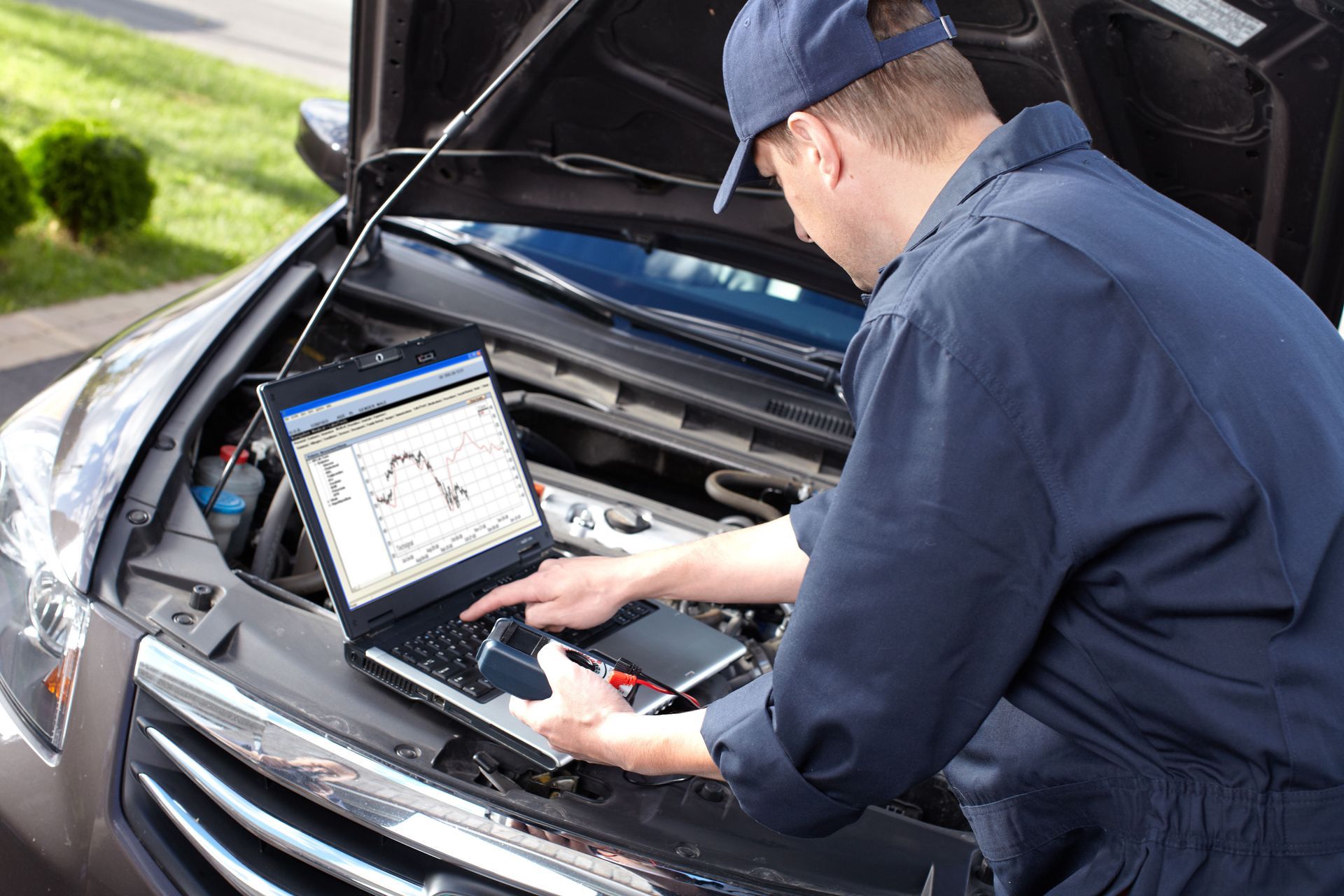
Understanding diagnostic codes can significantly aid in troubleshooting vehicle problems. Modern vehicles are equipped with onboard diagnostic systems that offer trouble codes when an issue arises, providing insight into potential malfunctions. Specialists use these codes to pinpoint specific areas of concern, facilitating accurate diagnostics. Familiarity with these codes enables informed discussions, empowering car owners to better understand their vehicle's needs and communicate effectively with auto mechanics.
When a check engine light illuminates your dashboard, it signals the need for further investigation using diagnostic codes. These codes, which can be accessed via a diagnostic scanner, provide a snapshot of the vehicle's systems. A proper understanding and interpretation of these codes is essential for effective repair decisions. Ignoring these signals can lead to more severe issues, requiring more extensive and expensive repairs, so drivers should take timely action.
While diagnostic codes are valuable, they do not always provide a complete picture of a vehicle's health. Professionals use their experience and expertise to translate these codes into actionable repairs. Car owners should leverage the combination of codes and professional insights to make informed decisions about vehicle maintenance. It is crucial to communicate clearly with your service provider and ask questions about the detected codes to ensure the vehicle's issues are addressed comprehensively.
Taking a proactive approach to automotive care is the single best way to protect your investment and ensure safety on the road. Armed with the insights that professionals wish every driver knew, you can confidently make informed choices regarding your car's maintenance schedule. For more information about the services that we offer, reach out to our incredible team at Bergen AutoWerks today!

Share On: